






Best Neighborhoods To Explore In Amsterdam
Best Neighborhoods To Explore In Amsterdam
Amsterdam rewards people who explore it step by step. You can start with a simple plan, then quickly find yourself walking along a quiet canal, stopping at a small café, or turning into a street that feels completely different from the last one. The city reveals its character through its neighborhoods, not just its landmarks.
Even though Amsterdam is compact, each neighborhood brings a distinct atmosphere. Some areas feel polished and scenic, while others feel lively, creative, or more local. The places you choose to explore will shape how your trip feels, from relaxed mornings by the water to busy afternoons filled with markets, food, and movement.
This guide focuses on the neighborhoods that are truly worth your time. It also connects to a broader city guide that covers the main attractions, activities, and experiences across Amsterdam. For a complete overview, visit Things To Do In Amsterdam.
Why Choosing The Right Neighborhood Changes Your Whole Amsterdam Trip
Amsterdam may look small on the map, but each neighborhood creates a different experience. You can spend one part of your day walking along quiet canals with historic houses, then move a few streets away and find a busy market, a park, or a street full of cafés and energy. The shift feels immediate, and it changes how you connect with the city.
Some neighborhoods work best for a first visit because they place you close to the main sights and offer that classic Amsterdam feel. Others give you better food, more space, or a slower pace that feels more local. When you choose your neighborhoods well, you avoid wasting time, and you build a more balanced trip without trying too hard.

Instead of trying to see everything, focus on a few areas that match your style. This approach helps you move through the city with purpose while still leaving room for the small, unexpected moments that make Amsterdam memorable.
If You Only Have Time For A Few Neighborhoods, Start Here
If your time in Amsterdam is limited, you do not need to cover every part of the city to understand what makes it special. A few well-chosen neighborhoods can give you a clear sense of its character, from quiet canals and historic streets to busier areas filled with food, markets, and everyday local life. The key is not to rush but to focus on places that offer a strong, varied experience.
Instead of trying to see everything, build your trip around two or three neighborhoods that complement each other. Choose one area that reflects the classic image of Amsterdam, then add another that feels more local or more dynamic. This balance helps you experience the city more naturally and gives you time to slow down, explore properly, and notice the details that make each neighborhood different.
Jordaan Is The Easiest Way To Experience Classic Amsterdam
Jordaan gives you the version of Amsterdam that most people expect to find. You will walk along narrow streets, pass over small bridges, and follow canals lined with historic houses. The area feels calm and easy to navigate, which makes it ideal if you want to explore without constantly checking a map or planning every step.

You can spend hours here without needing a fixed route. Stop at a café, walk through small markets, and explore side streets that feel quieter than the main center. Jordaan works especially well at the beginning of a trip because it introduces the city at a comfortable pace and sets a strong first impression.
The Canal Belt And Nine Streets Give You The Most Iconic Views
The Canal Belt and the Nine Streets area place you right in the middle of Amsterdam’s most recognizable scenery. The canals are wider, the architecture feels more formal, and the streets connect in a way that makes walking simple and enjoyable. Most people take their first photos of Amsterdam here.
You can move easily between sightseeing and shopping here. The Nine Streets offer small boutiques, independent stores, and cafés where you can take a break without leaving the area. Even when it feels busy, the setting still delivers a complete and visually strong experience of Amsterdam.
De Pijp Brings Food, Markets, And A More Lively Local Energy
De Pijp feels more active and less polished than the canal-focused neighborhoods. The streets stay busy throughout the day, and the food scene attracts both locals and visitors. The Albert Cuyp Market draws attention, but the surrounding streets offer a wide range of places to eat and explore.
This area works well if you want to experience Amsterdam through its food and everyday rhythm. You can move from one place to another without planning too much and discover new spots along the way. De Pijp adds energy to your trip and creates a contrast with quieter areas.
Oud-West Balances Central Location With A More Local Feel
Oud-West sits close to the center but feels less influenced by heavy tourism. The streets are wider, the pace is more relaxed, and daily life becomes more visible. You will see locals moving through markets, cafés, and residential streets, which gives the area a more grounded atmosphere.
The neighborhood offers variety without feeling overwhelming. You can visit food halls like De Hallen, explore Ten Katemarkt, or walk toward Vondelpark. Oud-West works well if you want to stay close to the main attractions while still experiencing a more local side of Amsterdam.
Amsterdam Noord Shows A Different Side Of The City
Amsterdam Noord feels separate from the historic center, even though it is easy to reach by ferry. The area opens up with more space, modern buildings, and a creative atmosphere that contrasts with canals and narrow streets. This change gives you a broader view of the city.
You can explore cultural spaces, waterfront areas, and newer attractions that reflect Amsterdam’s continued growth. Noord works best if you want to add variety to your trip and step outside the traditional route. It often becomes one of the most memorable parts of the visit.
Jordaan Is Amsterdam At Its Prettiest And Still Worth The Hype
Jordaan shows you the version of Amsterdam that most people hope to find. You walk along narrow streets, cross small bridges, and follow canals lined with historic houses that reflect the city’s past without feeling staged. The area feels calm and easy to explore, which makes it ideal if you want to slow down and experience the city at a more natural pace. You do not need a strict plan here because the neighborhood encourages you to move freely and notice details along the way.
As you explore Jordaan, you will start to understand how the city fits together beyond its main attractions. The streets connect naturally, the cafés invite you to stop without rushing, and the overall rhythm feels balanced. If you want to explore more of what Amsterdam offers beyond this neighborhood, you can visit the main site at Girls Escort Amsterdam Agency, where you can find additional ways to experience the city from different perspectives.
What Makes Jordaan So Easy To Love
Jordaan feels comfortable from the moment you enter it. The streets stay narrow but easy to follow, and the canals create a natural rhythm that guides you without effort. You do not deal with the same intensity as in the busiest parts of the center, which allows you to slow down and enjoy what you see around you. Small details stand out more here, from window displays to quiet corners that feel almost hidden.
The neighborhood also retains a strong local character, despite many visitors. You will notice independent shops, small galleries, and cafés that feel personal rather than generic. This balance between popularity and authenticity makes Jordaan one of the easiest places to connect with the city naturally.
What To Do While You’re Here
You can explore Jordaan without following a strict list of attractions, but a few places add structure to your visit. Walk through Noordermarkt on a market day, spend time near the canals, and look for quieter side streets. You can also stop at cafés or browse local shops that add more personality to the area.
The best way to experience Jordaan is to move slowly and stay flexible. Start with a direction, then allow yourself to change it as you discover new spots. This approach works better than trying to see everything because the neighborhood rewards curiosity more than planning.
Who Will Enjoy It Most
Jordaan is best for travelers who want a relaxed, visually strong introduction to Amsterdam. If you enjoy walking without a fixed schedule, stopping often, and exploring streets that feel calm but still central, this area will match your style. It also suits couples, first-time visitors, and anyone who prefers atmosphere over fast-paced sightseeing.
You may not find the most dynamic nightlife or the widest range of modern attractions here, but you will gain a clear sense of the city’s character. Jordaan gives you space to experience Amsterdam at your own pace, which often becomes more valuable than trying to fit too much into a short visit.
One Thing To Know Before You Go
Jordaan attracts many visitors, especially during the day and on weekends. Even though it feels calmer than other central areas, certain streets and spots can still become busy. If you want a quieter experience, start early in the morning or explore later in the evening, when the pace slows.
Prices can also be higher here than in less central neighborhoods. Cafés, shops, and nearby attractions reflect the area’s popularity. Plan for a few stops rather than trying to do everything, and focus on enjoying the atmosphere instead of covering too much ground.
The Canal Belt And Nine Streets Are Famous For A Reason And Still Worth Your Time
The Canal Belt gives you some of the most recognizable views in Amsterdam. Wide canals, elegant houses, and open sightlines create a setting that feels structured and easy to explore. You can walk in almost any direction and still find something that feels visually strong. The area connects smoothly with the rest of the center, which makes it a practical choice if you want to combine sightseeing with relaxed walking.

The Nine Streets sit right in the middle of this area and add a different layer to the experience. You move from open canal views into smaller streets filled with shops, cafés, and places that invite you to stop. If you want to explore more of what the city offers beyond this central area, you can visit the blog site at Girls Escort Amsterdam, where you can find additional ways to experience Amsterdam from different angles.
Why This Part Of Amsterdam Still Works So Well
This area works because it combines structure with flexibility. The canals create clear paths, while the smaller streets give you room to explore without feeling lost. You can follow the water, cross bridges, and adjust your route at any point. The layout helps you stay oriented without relying too much on directions or maps.
The atmosphere also stays consistent. Even when the area becomes busy, the surroundings still feel balanced and visually appealing. You do not need to search for specific highlights because the entire setting works as a continuous experience that supports both short visits and longer walks.
What To Do While You’re Here
Start by walking along one of the main canals, then move toward the Nine Streets to explore smaller shops and cafés. You can browse independent stores, stop for coffee, or walk through the area without a strict plan. The transitions between wider canals and narrow streets create variety without requiring long distances.
You can also take short breaks along the water or sit at a café and watch the flow of the city. This area supports a slower pace, even when it feels active. Focus on moving naturally instead of trying to cover every street, and you will get more out of your time here.
Who Should Put This High On The List
This area suits first-time visitors who want to see Amsterdam clearly and recognizably. If you have limited time and want to experience the canals, architecture, and central layout of the city, this part of Amsterdam gives you a strong starting point. It also works well for travelers who prefer walking over using transport.
If you enjoy photography, casual shopping, or simply moving through visually consistent streets, you will find this area easy to navigate and enjoyable to explore. It offers a reliable experience without requiring too much planning.
What It Does Better Than The Busiest Parts Of Centrum
The Canal Belt and the Nine Streets feel more organized and less chaotic than the busiest parts of Centrum. You still stay central, but the streets feel more open and easier to navigate. This difference allows you to explore without dealing with constant crowds or distractions.
You also gain a more balanced experience. Instead of moving through crowded commercial streets, you spend time in areas that combine architecture, water, and smaller-scale activity. You experience the city with more intention and less stress.
De Pijp Is Where Amsterdam Feels Young, Lively, And Easy To Enjoy
De Pijp brings a different kind of energy compared to the canal-focused parts of Amsterdam. The streets stay busy throughout the day, cafés fill up quickly, and the mix of cultures shapes a food scene that stands out across the city. You will notice the difference as soon as you arrive, because the area feels more active, less polished, and more connected to everyday life.
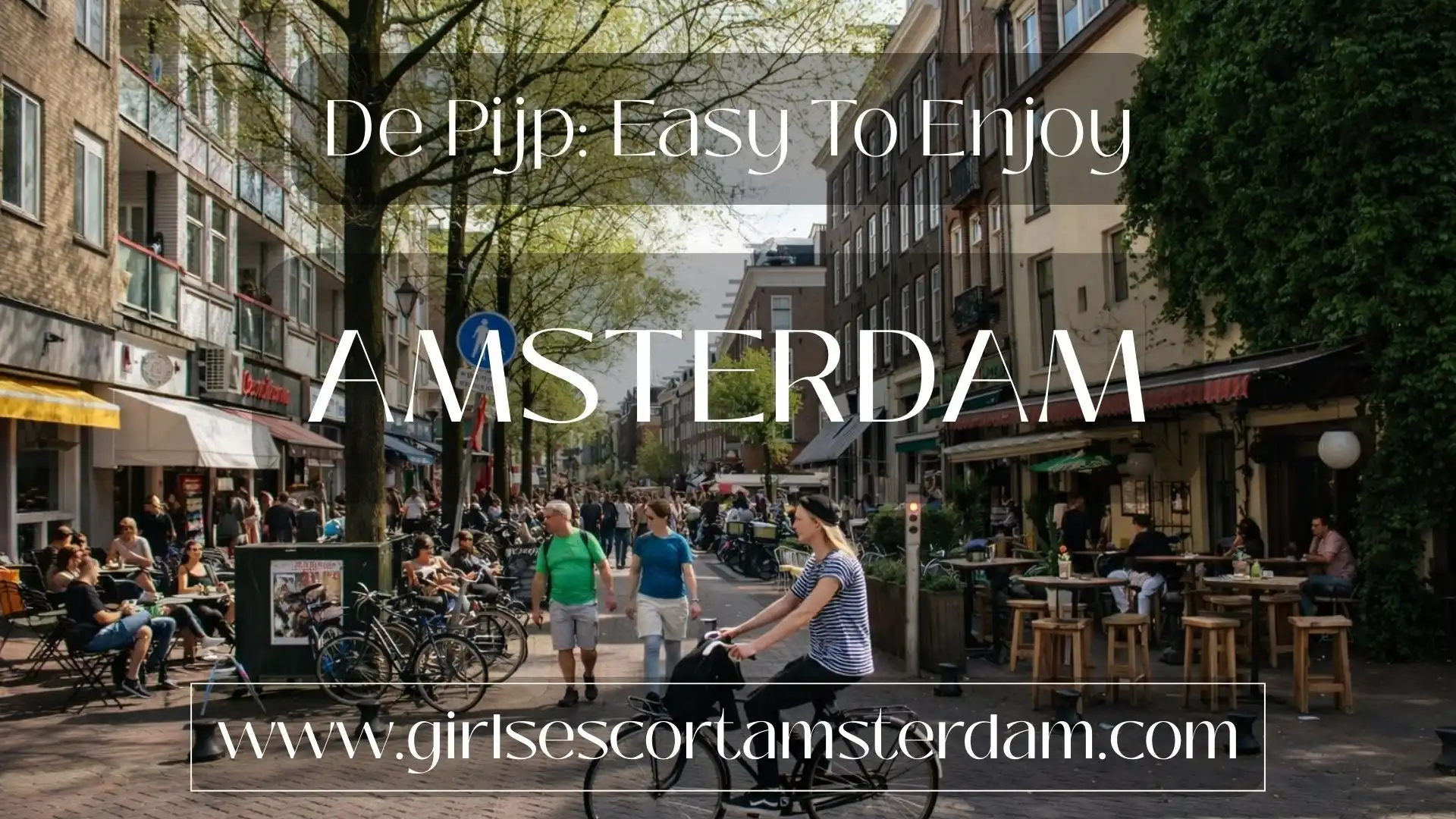
This neighborhood gives you a more dynamic way to explore Amsterdam. You can move from market stalls to restaurants, from small streets to open spaces, without following a fixed route.
What Gives De Pijp Its Energy
De Pijp feels active because people use it as part of their daily routine. You will see locals shopping, meeting friends, and moving through the area at all hours. The streets stay full without feeling overwhelming, which creates a steady rhythm that feels natural rather than forced.
The neighborhood also attracts a mix of residents and visitors, adding variety to your experience. You will find different cuisines, small independent businesses, and a constant flow of activity that keeps the area interesting from morning until evening.
What To Do While You’re Here
Start with a walk through Albert Cuyp Market, where you can try different foods and get a quick sense of the neighborhood’s character. After that, move through the surrounding streets and look for places to eat or stop for coffee. You do not need a strict plan because the area offers plenty of options within a short distance.
You can also take a break in Sarphatipark or explore nearby streets that feel quieter than the main market area. The best approach is to stay flexible and let the neighborhood set your pace, rather than following a fixed itinerary.
Who Will Enjoy It Most
De Pijp suits travelers who enjoy food, movement, and a more social atmosphere. If you like exploring cafés, markets, and casual dining, this area will match your style. It also works well for repeat visitors who want to move beyond the more traditional parts of Amsterdam.
If you prefer quiet streets and slower pacing, you may find De Pijp more active than expected. In that case, it works better as a daytime visit than as a place you spend your entire day.
When De Pijp Works Better Than Jordaan
De Pijp works better when you want more variety in food and a stronger sense of everyday city life. While Jordaan offers quiet streets and classic views, De Pijp offers movement, diversity, and a wider range of places to eat in a smaller area.
If your trip focuses on trying new food and exploring a more modern side of Amsterdam, De Pijp will likely feel more engaging. It creates a different balance in your itinerary and helps you experience the city beyond its most traditional neighborhoods.
Oud-West Feels Like The Amsterdam People Secretly Hope To Find
Oud-West gives you a version of Amsterdam that feels more balanced and less shaped by tourism. You stay close to the center, but the streets feel wider, calmer, and more connected to everyday life. People move through the area with purpose, creating a natural rhythm that feels different from that of the more crowded parts of the city.
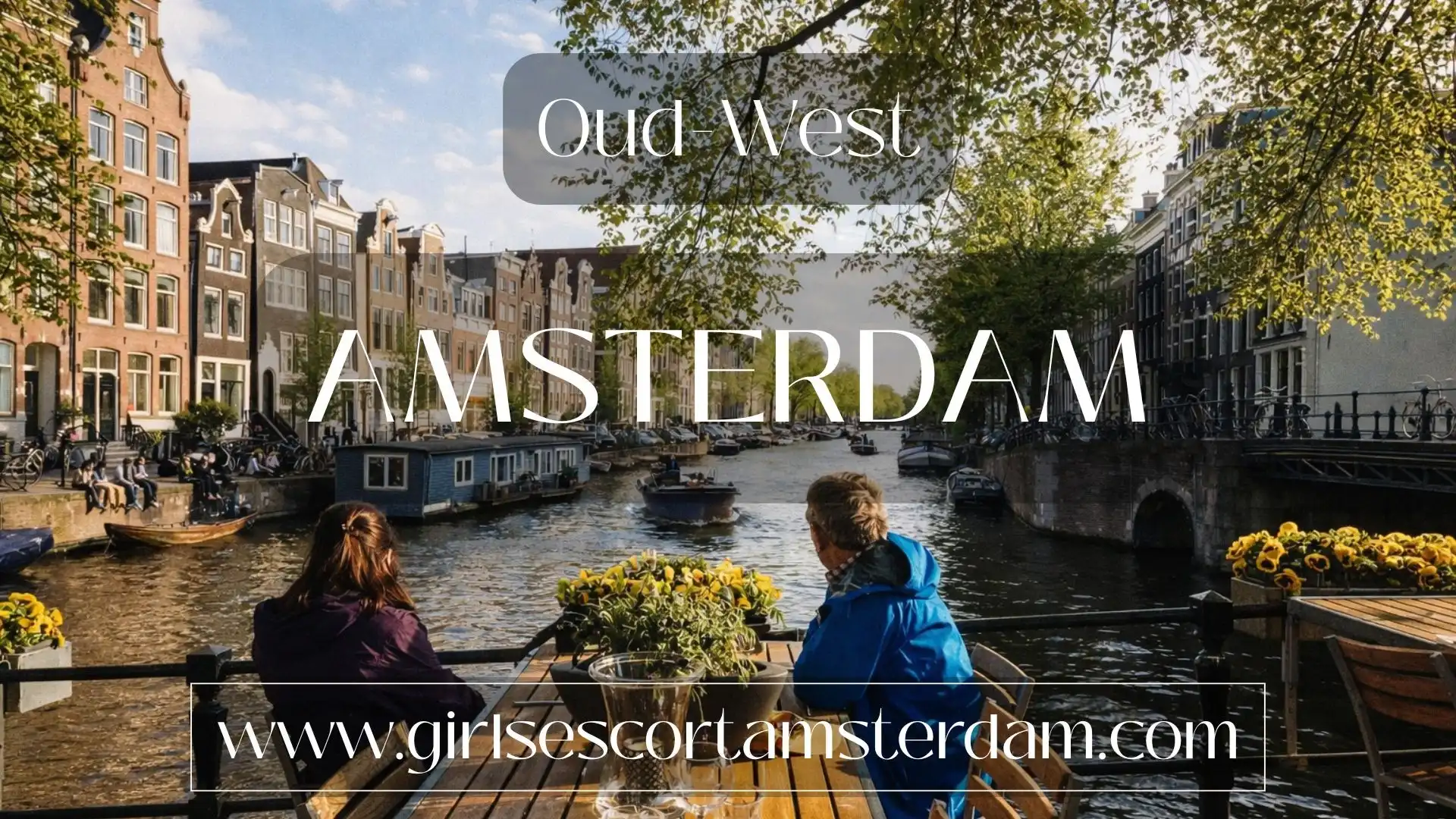
This neighborhood works well if you want variety without pressure. You can explore cafés, markets, and residential streets without feeling like you need to follow a fixed route. Oud-West lets you stay central while experiencing a more relaxed, local side of Amsterdam.
Why Oud-West Deserves A Closer Look
Oud-West often gets less attention than nearby neighborhoods, but it offers a strong combination of location and atmosphere. You can walk to major attractions, yet still spend time in streets that feel less crowded and more comfortable to explore. This balance makes it easier to enjoy the city without constant noise or pressure.
The area also feels more grounded. You will notice daily routines, local businesses, and spaces that reflect how people actually live in Amsterdam. You gain more depth in your trip and understand the city more clearly.
What To Do While You’re Here
Visit De Hallen to explore food stalls, small shops, and a mix of indoor spaces that bring people together. After that, walk through Ten Katemarkt or nearby streets where you can find local products and casual places to eat. The area supports spontaneous exploration without requiring detailed planning.
You can also walk toward Vondelpark or follow quieter streets that connect different parts of the neighborhood. Oud-West gives you enough variety to build your own route without feeling overwhelmed.
Who Should Make Time For It
Oud-West suits travelers who want to stay close to the center but avoid the busiest areas. If you prefer a more relaxed pace and enjoy exploring neighborhoods that feel lived-in, this area will match your expectations. It works especially well for return visitors or anyone who wants to see a different side of Amsterdam.
If you focus only on the most famous areas, you may miss the quieter parts of the city that often feel more authentic. Oud-West helps you avoid that and adds balance to your itinerary.
Amsterdam Noord Feels Like A Different City, And That’s Exactly Why It’s Worth Visiting
Amsterdam Noord gives you a completely different perspective on the city. You leave the historic center behind, take a short ferry ride, and arrive in an area that feels more open, modern, and less canal-structured. The buildings look different, the streets feel wider, and the atmosphere shifts toward something more creative and experimental.

This change makes Noord an important part of a well-balanced trip. You move away from the familiar image of Amsterdam and explore spaces that reflect how the city continues to evolve. The contrast helps you understand the city better and adds variety to your experience without requiring much extra effort to get there.
Why Noord Feels So Different
Noord feels different because it developed outside the historic canal system. You will notice more space, fewer narrow streets, and a layout that supports larger buildings and open areas. The neighborhood feels more flexible and less predictable than the center.
The area also attracts creative projects, cultural venues, and newer developments. This combination creates an atmosphere that feels more dynamic and less tied to tradition. You experience a side of Amsterdam that looks forward rather than back.
What To Do While You’re Here
Start by exploring the waterfront and looking for places that offer views back toward the city. You can visit cultural spaces, walk through areas with street art, or stop at cafés that reflect the neighborhood’s creative energy. The layout allows you to move freely without following a strict path.
You can also combine several stops in one visit because the area connects well once you arrive. Take your time and explore at your own pace, since Noord rewards curiosity more than planning.
Who Will Enjoy It Most
Amsterdam Noord suits travelers who want something different from the classic canal experience. If you enjoy modern spaces, creative environments, and a more open layout, this area will stand out. It also works well for people who have already seen the center and want to explore further.
If you prefer traditional architecture and historic streets, you may find Noord less familiar. In that case, treat it as a half-day visit that adds contrast to the rest of your trip.
Oost Feels More Local, More Spacious, And Worth Exploring If You Want A Different Side Of Amsterdam
Amsterdam Oost gives you a broader and more local view of the city. The streets feel wider, the pace feels more relaxed, and daily life becomes easier to notice. You will not find the same concentration of canals or tourist spots, but you will gain a stronger sense of how people actually live and move through Amsterdam.

This neighborhood works well if you want to step away from the most polished parts of the city and explore something more grounded. You can combine food, parks, and cultural spaces without needing a strict plan. Oost allows you to slow down, spend more time in fewer places, and experience Amsterdam more naturally.
Why Oost Feels More Local And Less Structured
Oost feels more local because developers focused on priorities different from those shaping the historic center. The layout supports residential life and creates a quieter, more open environment. You will notice fewer crowds and more everyday activity, especially around markets, parks, and local streets.
This structure gives you more space to explore without pressure. You do not need to follow a specific route or focus on major landmarks. Instead, you can move through the area at your own pace and discover places that feel less influenced by tourism.
What To Do While You’re Here
Start with Dappermarkt, where you can explore local food and get a sense of the neighborhood’s diversity. After that, walk through Oosterpark or Flevopark to experience a greener side of the city. These spaces give you a break from the more compact areas of Amsterdam.
You can also visit local breweries or cultural spaces that reflect the neighborhood’s character. Move slowly and allow time for longer stops, since Oost works best when you do not rush between places.
Who Should Put Oost On The Itinerary
Oost suits travelers who want to explore beyond the most popular areas. If you enjoy food, parks, and neighborhoods that feel less curated, this area will match your expectations. It also works well for longer stays when you have time to move at a slower pace.
If you only have a short trip, you may prioritize more central neighborhoods first. In that case, add Oost only if you want to experience a different and more local side of Amsterdam.
If You Want Museums, Open Space, And A Calmer Pace, Start With Museum Quarter And Oud-Zuid
The Museum Quarter and Oud-Zuid offer a different experience compared to the canal-focused areas. The streets feel wider, the layout feels more open, and the overall atmosphere feels more structured and calm. You move through large squares, green spaces, and well-organized streets, creating a sense of balance throughout the area.
This part of Amsterdam works well if you want to slow down and focus on culture, architecture, and space. You can spend more time in fewer places without feeling rushed. The neighborhood supports a more relaxed pace and gives you a break from the busier parts of the city while still keeping you connected to everything important.
What Makes This Area Feel Different From The Rest Of The City
This area feels different because it moves away from narrow streets and dense canal layouts. You walk through broader avenues, open museum spaces, and parks that give you more room to move comfortably. The environment feels more organized and less spontaneous, which some travelers find easier to navigate.
The architecture also reflects a more formal side of Amsterdam. Buildings appear larger and more uniform, which creates a consistent visual experience. This structure contrasts with the irregular layout of older neighborhoods, giving the area a more refined feel.
What To Do While You’re Here
Visit the major museums such as the Rijksmuseum, the Van Gogh Museum, and the Stedelijk Museum, all located within a short walking distance. You can plan your visit around one or two key stops instead of trying to see everything in a single day.
After spending time indoors, walk through Vondelpark or sit near Museumplein to relax and reset. This combination of culture and open space makes the area easy to enjoy without feeling overwhelmed.
Who Will Enjoy This Area Most
This area suits travelers who enjoy museums, architecture, and a more structured environment. If you prefer a calm, organized setting where you can focus on a few meaningful experiences, this neighborhood will meet your expectations.
It also works well for families or anyone who prefers more space and less crowd pressure. If you enjoy balance and comfort over constant movement, you will likely feel at ease here.
Plantage And The Jewish Quarter Offer A Quieter, Greener Side Of Amsterdam That Many Visitors Miss
Plantage and the Jewish Quarter offer a calmer version of Amsterdam, with a more open, less crowded feel than the central areas. You will notice tree-lined streets, wider paths, and a slower pace that allows you to move without pressure. The area feels more relaxed from the moment you arrive, which makes it easier to take your time and focus on fewer places.
This part of the city works well when you want a break from busier neighborhoods without leaving the central area completely. You can combine cultural visits with quiet walks and green spaces, which creates a more balanced experience. The neighborhood supports a slower rhythm and helps you see a side of Amsterdam that many visitors overlook.
Why This Area Feels Calmer Than Much Of Central Amsterdam
This area feels calmer because it focuses less on tourism and more on space and everyday life. You will not find the same density of attractions or foot traffic as in the canal belt. Instead, you move through streets that feel more residential and easier to navigate at a relaxed pace.
The presence of parks, gardens, and cultural institutions creates a balanced environment. You can walk longer distances without feeling crowded, which makes the area especially comfortable if you want to slow your trip down.
What To Do While You’re Here
Visit places like ARTIS Zoo or the Hortus Botanicus to combine nature with your city experience. These locations give you a different perspective on Amsterdam and allow you to spend time in quieter surroundings.
You can also explore museums connected to the Jewish Quarter or walk through the area without a fixed plan. The neighborhood rewards a slower approach, giving you time to enjoy each stop without rushing.
Who Should Add This Area To The Trip
Plantage and the Jewish Quarter suit travelers who prefer a calm and balanced experience. If you enjoy green spaces, cultural stops, and a slower pace, this area will fit naturally into your itinerary. It also works well for families or anyone who wants to avoid crowded streets.
If your trip focuses on energy and constant movement, you may not spend as much time here. In that case, treat it as a break between busier neighborhoods to reset and continue exploring with more energy.
Not Sure Where To Start? Here’s The Neighborhood That Fits Your Trip Best
Choosing the right neighborhood becomes much easier when you connect it to the kind of trip you want to have. Some areas work better for first-time visitors, while others suit food-focused trips, slower itineraries, or repeat visits. When you match your neighborhood to your travel style, you spend less time deciding where to go and more time actually enjoying the city.
You do not need to overthink the decision. Focus on what matters most to you, whether that means canals, food, museums, or a more local atmosphere. The right combination of neighborhoods will help you build a trip that feels natural and balanced, without trying to fit too much into a short time.
For First-Time Visitors
Start with Jordaan or the Canal Belt. These areas give you the most recognizable version of Amsterdam and make it easy to explore on foot. You stay close to major sights while still enjoying a relaxed atmosphere.
For Food Lovers
Choose De Pijp or Oost. These neighborhoods offer a wider range of food options, markets, and casual eateries. You can explore through food without needing a strict plan.
For Nightlife And Creative Energy
Head to Amsterdam-Noord or De Pijp. These areas bring more movement, modern spaces, and a mix of venues that stay active into the evening.
For Museums And Culture
Focus on the Museum Quarter and nearby areas. You can visit major museums and still enjoy open space without feeling rushed.
For A Quieter And More Local Experience
Choose Oud-West, Oost, or Plantage. These neighborhoods feel calmer, more residential, and easier to explore at a slower pace.
A Few Practical Things That Will Make Exploring Amsterdam Much Easier
You can explore Amsterdam easily if you understand a few basic things before you start. The city looks simple on the map, but small decisions can affect how your day feels. When you plan your time, your routes, and your expectations correctly, you move through neighborhoods with less stress and more flexibility.
You do not need a complex itinerary to enjoy Amsterdam. Focus on timing, distance, and balance between busy and quiet areas. When you combine these elements well, you create a smoother experience and avoid the common mistakes that make trips feel rushed or unstructured.
Best Time To Explore Amsterdam’s Neighborhoods
Spring and early autumn offer the most comfortable conditions for exploring the city. The weather stays mild, the streets feel active but not overwhelming, and you can move easily between neighborhoods. Summer brings longer days, but also larger crowds, especially in central areas.
If you want a quieter experience, start your days early or explore later in the evening. These time windows let you enjoy popular neighborhoods without the peak crowds.
How Many Days Do You Need
Two to three days give you enough time to explore several neighborhoods without rushing. You can combine one or two central areas with one or two more local neighborhoods and still keep a relaxed pace. Trying to cover too much in a short time usually reduces the quality of your experience.
If you stay longer, you can add areas like Oost or Noord and spend more time in each place. This approach allows you to move more slowly and enjoy the city more naturally.
How To Get Around Between Neighborhoods
Walking works best for central areas like Jordaan, the Canal Belt, and Oud-West. The distances stay short, and you can easily adjust your route. For longer distances, use trams or bikes to move quickly between neighborhoods.
The ferry to Amsterdam Noord runs frequently and does not require a ticket. You can add Noord to your itinerary without planning too much in advance.
Where To Stay If Exploring Matters More Than Nightlife
Choose areas like Jordaan, the Canal Belt, or the Museum Quarter if you want easy access to multiple neighborhoods. These locations allow you to explore during the day and return without long travel times.
Avoid staying too close to the busiest nightlife zones if you prefer a quieter experience. You will still be able to reach those areas when you want, but you will rest better at night.
Mistakes Tourists Make When Choosing An Area
Many visitors stay only in the busiest parts of the center, missing the variety other neighborhoods offer. You limit your experience and create unnecessary crowd pressure. Amsterdam becomes much more interesting when you explore beyond the obvious areas.
Another common mistake is trying to visit too many places in one day. This approach reduces the quality of each stop and makes the trip feel rushed. Focus on fewer neighborhoods and spend more time in each one.
Simple Ways To Save Money Without Missing The Best Parts
You can reduce costs by exploring neighborhoods on foot and focusing on free or low-cost experiences like markets, parks, and walking routes. These activities often provide a better sense of the city than expensive attractions.
Choose a few key paid attractions instead of trying to visit everything. This approach helps you control your budget while still enjoying the highlights that matter most to you.
If You Want A More Personal Way To Experience Amsterdam, There Are Options
Exploring Amsterdam through its neighborhoods gives you a strong sense of the city, but some travelers seek a more personal, flexible experience. Instead of moving through the city alone, you can choose to spend time with someone who knows how to match your pace and your interests. Living in Oost changes how you experience the city, especially in the evening or during quieter moments.
You can combine neighborhood exploration with more private experiences, such as a dinner date, a relaxed evening, or simply spending time in good company. Options like GFE escort, overnight experiences, massage sessions, or time as a couple allow you to enjoy Amsterdam differently, with greater comfort, privacy, and attention to detail.
If you prefer a more tailored experience, you can explore what is available through Girls Escort Amsterdam Agency, where you can find options that fit your preferences and schedule.
GFE Creates A More Natural And Relaxed Escort Experience
The GFE experience focuses on connection, comfort, and spending time in ways that feel natural. Instead of following a fixed structure, you share moments that fit your pace and preferences. This approach works well if you want something that feels closer to a real social interaction rather than a formal arrangement.
You can combine this type of experience with exploring neighborhoods, visiting cafés, or simply walking through the city. The flexibility allows you to shape your time together without pressure or strict expectations. You can learn more about this type of experience through the Girlfriend Experience escort service.
If you value conversation, presence, and a more personal dynamic, GFE offers a way to experience Amsterdam that feels smoother and more connected to the moment.
Overnight Escort Experiences Give You Time To Slow Down
An overnight experience allows you to step away from the city’s pace and focus on a slower, more comfortable rhythm. Instead of trying to fit everything into a few hours, you can relax and let the experience develop naturally over time.
This option works well after a full day of exploring neighborhoods. You can return to a calm environment, unwind, and enjoy the evening without rushing. For a longer, more uninterrupted experience, you can explore the overnight escort option or choose a hotel escort service that matches your plans.
If you prefer depth over speed, overnight experiences let you enjoy Amsterdam in a more private, uninterrupted way.
Dinner Dates Combine The City With A More Personal Setting
A dinner date adds a social layer to your time in Amsterdam. Instead of dining alone or rushing through a meal, you can share the experience in a more relaxed and engaging way. Neighborhoods known for food and atmosphere fit naturally into this context.
You can choose a restaurant in areas like De Pijp or the Canal Belt and build the evening around it. A dinner date can extend into a walk or drinks, depending on how the evening develops. You can explore available options through the dinner date escort service.
This option works well if you want to combine exploring the city with conversation and a more social experience that feels easy and natural.
Massage Sessions Help You Reset After Exploring
After walking through multiple neighborhoods, your body can feel the impact of long days on foot. A massage session gives you a way to reset and recover before continuing your trip. It creates a pause that helps you maintain energy and comfort.
This type of experience works well between busy days or at the end of a long itinerary. You can relax, reduce tension, and prepare for the next part of your stay without feeling rushed. For a more relaxing option, you can explore an erotic massage escort experience.
If you want to balance activity with recovery, adding a massage session to your trip can enhance your experience of the rest of the city.
Party Companions Add Energy To Your Nights
Some evenings in Amsterdam work best when you add more energy and movement. Party companions can help you enjoy nightlife more socially and dynamically, especially if you do not want to navigate it alone.
You can explore bars, clubs, or events with someone who matches your pace and keeps the experience smooth. Familiar neighborhoods often remove the uncertainty that comes with unfamiliar nightlife scenes. You can explore options through the party girls escort service.
If you want your nights to feel more active and engaging, this option gives you a flexible way to enjoy Amsterdam after dark.
Couples Experiences Create A Shared And Private Atmosphere
Couples experiences focus on creating a shared environment where both partners can relax and enjoy the moment. This option works well if you travel together and want a more private, tailored experience.
You can combine this type of experience with your itinerary, whether that means after a day of exploring neighborhoods or during a quieter part of your stay. You can learn more about these options through the couples experience service.
If you want to add a different dimension to your trip as a couple, this option lets you experience Amsterdam in a more personal, connected way.
A Few Questions Travelers Usually Ask Before Choosing An Amsterdam Neighborhood
Before you decide where to spend your time in Amsterdam, it helps to answer a few common questions. These answers will give you clarity and help you choose neighborhoods that match your style and expectations.
You do not need to overcomplicate your planning. Focus on what you want to experience, then use these answers to guide your decisions and build a smoother, more enjoyable trip.
What Is The Best Neighborhood In Amsterdam For First-Time Visitors?
Jordaan and the Canal Belt work best for a first visit. These areas offer the most recognizable views of Amsterdam and make it easy to explore on foot. You stay close to major sights while still enjoying a relaxed atmosphere.
Which Amsterdam Neighborhood Feels The Most Local?
Oost and Oud-West feel more local because they reflect everyday life more clearly. You will see fewer crowds and more residential streets, creating a more natural, less curated experience.
Is Amsterdam Noord Worth Visiting?
Yes, Amsterdam Noord is worth visiting if you want a different perspective. The area feels more modern and open, and it adds variety to your trip without requiring much effort to reach.
Should You Stay In Centrum Or Outside It?
You can stay just outside Centrum in areas like Jordaan or the Canal Belt to avoid heavy crowds while remaining close to everything. Living in Oost gives you a better balance without sacrificing convenience.
How Many Neighborhoods Should You Explore In One Trip?
Focus on two to four neighborhoods, depending on your length of stay. Living in Oost allows you to explore properly without rushing between places.
Which Neighborhood Is Best For Food In Amsterdam?
De Pijp offers one of the strongest food scenes in the city, with markets, casual dining, and a wide range of cuisines in a compact area.
Which Amsterdam Neighborhood Is Best For Museums?
The Museum Quarter is the best choice for museums. You can visit major institutions within a short distance and combine culture with open space.
What Is The Quietest Area To Explore In Amsterdam?
Plantage offers one of the calmest environments in the city. You will find green spaces, fewer crowds, and a slower pace that makes it easy to relax.
Can You Explore Amsterdam Neighborhoods On Foot?
Yes, you can explore most central neighborhoods on foot. The city’s layout supports walking, and distances between key areas remain short.
What Is The Biggest Mistake When Choosing A Neighborhood?
The biggest mistake is staying only in the busiest areas and ignoring other neighborhoods. Focusing only on the historic center limits your experience and prevents you from seeing the city’s full character.
The Good News Is That Amsterdam Makes It Easy To Get It Right
Amsterdam does not force you to choose perfectly. The city stays compact, and most neighborhoods connect easily, so even if you adjust your plans along the way, you will still build a strong experience. What matters more is how you move through the city and how much time you give each place.
If you focus on a few well-chosen neighborhoods and allow yourself to explore without rushing, you will start to notice the details that make Amsterdam feel unique. The canals, the cafés, the quieter streets, and the contrast between areas all come together in a way that feels natural. Choose a starting point, stay flexible, and let the city unfold as you go.
Comments
No Comments yet.
Post Your Comment